-
Salon
-
MICHAEL VAN CLARKE
From the moment you walk in, you will realise why hundreds of clients have been loyal for more than 35 years. Every member of the team is focused on giving you the best experience and the best hair you have ever had. Michael’s signature Diamond Dry Cut gives great looking personalised hairstyles that last longer and are easy to manage.
The First Class Lounge of Hairdressing
Creative Head
- The Salon
- Styling Price List
- Beauty Price List
- Careers
-
-
Shop
-
- UV Protective
- Moisturising
- Silver Blonde
- Angelica Rose
- Exfoliating Scalp
- Balancing Scalp
- Original Volumising
- VIEW ALL →
- UV Protective
- Volumising
- Moisturising
- Silver Blonde
- Angelica Rose
- Original Volumising
- LifeSaver Sun UV Protective
- VIEW ALL →
- LifeSaver Pre-wash Treatment
- LifeSaver ULTRA Intense
- LifeSaver Sun Leave-in Styling Treatment
- LifeSaver Deep Sleep Overnight
- LifeSaver UV Leave-in Styling Treatment
- PowerShot Nutrients
- Exfoliating Scalp Treatment
- LifeSaver Mini Gift Collection
- VIEW ALL →
- Heavenly Body - Dry Texturising Spray
- Eureka - Blowdry Balm
- Thicker Quicker Volumising Blowdry Spray
- Volumising Mousse
- Holding Spray
- 10 Second Transformation
- Magic Oil
- Finishing Feed
- VIEW ALL →
- No. 1 Brush
- Jet Silver Luxe No.1 Brush
- Rose Gold Deluxe No.1 Brush
- White No.1 Brush
- The Scalp Brush
- Medium Round Brush
- Large Round Styling Brush
- Nicky Clarke AirStyle Pro Infrared & Ionic Hair Dryer & Styler
- VIEW ALL →
- LifeSaver 500ml Essential Set. Select Range
- LifeSaver 1 Litre Essential Set. Select Range
- ULTRA 325ml Essential Set. Select Range
- ULTRA 1 Litre Essential Set. Select Range
- Deep Sleep 500ml Essential Set. Select Range
- VIEW ALL →
ShampoosVIEW ALL →Cashmere Protein UV Protective ShampooCashmere Protein Moisturising ShampooSilver Blonde ShampooAngelica Rose ShampooExfoliating Scalp ShampooBalancing Scalp ShampooOriginal ShampooConditionersVIEW ALL →Cashmere Protein UV Protective ConditionerCashmere Protein Volumising ConditionerCashmere Protein Moisturising ConditionerSilver Blonde ConditionerAngelica Rose ConditionerOriginal ConditionerLifeSaver Sun UV Protective ConditionerTreatmentsVIEW ALL →LifeSaver Pre-wash TreatmentLifeSaver Ultra Intense Pre-wash TreatmentLifeSaver Sun Leave-in Styling TreatmentLifeSaver Deep Sleep Overnight TreatmentLifeSaver UV Leave-in Styling TreatmentPowerShot NutrientsExfoliating Scalp TreatmentLifeSaver Mini Gift CollectionStylingVIEW ALL →Heavenly Body - Dry Texturising SprayEureka - Blowdry BalmThicker Quicker Volumising Blowdry SprayVolumising MousseHolding Spray10 Second TransformationMagic OilFinishing FeedToolsVIEW ALL →No. 1 BrushJet Silver Luxe No.1 BrushRose Gold Deluxe No.1 BrushWhite No.1 BrushThe Scalp BrushMedium Round BrushLarge Round Styling BrushNicky Clarke AirStyle Pro Infrared & Ionic Hair Dryer & StylerEssentialsVIEW ALL →LifeSaver Pre-wash Treatment 500ml Essential Set. Choose from 5 different variants.LifeSaver Pre-wash Treatment 1 Litre Essential Set. Choose from 5 different variants.LifeSaver ULTRA Pre-wash Treatment 325ml Essential Set. Choose from 5 different variants.LifeSaver ULTRA Pre-wash Treatment 1 Litre Essential Set. Choose from 5 different variants.LifeSaver Deep Sleep 500ml Essential Set. Choose from 5 different variants.SetsVIEW ALL →Scalp Recovery SetTravel TrioAngelica Rose Deluxe Gift SetSummer EssentialsHoliday Hair EssentialsFinishing SetUltimate BlowdryLifeSaver Mini Gift CollectionBeard GroomingVIEW ALL →Best Beard Shampoo & ScrubBest Beard WaxBest Beard OilLuxury Beard Grooming Gift Set
-
Help Me Choose
-
TAKE OUR HAIRCARE QUIZZES
Take the haircare quiz to help you improve the health and quality of your hair.
Take the hair styling quiz to find the right products that help enhance your look.
- Haircare Quiz
- Hair Styling Quiz
-
- Why It Works
- Rewards
- Blogs
- Professional
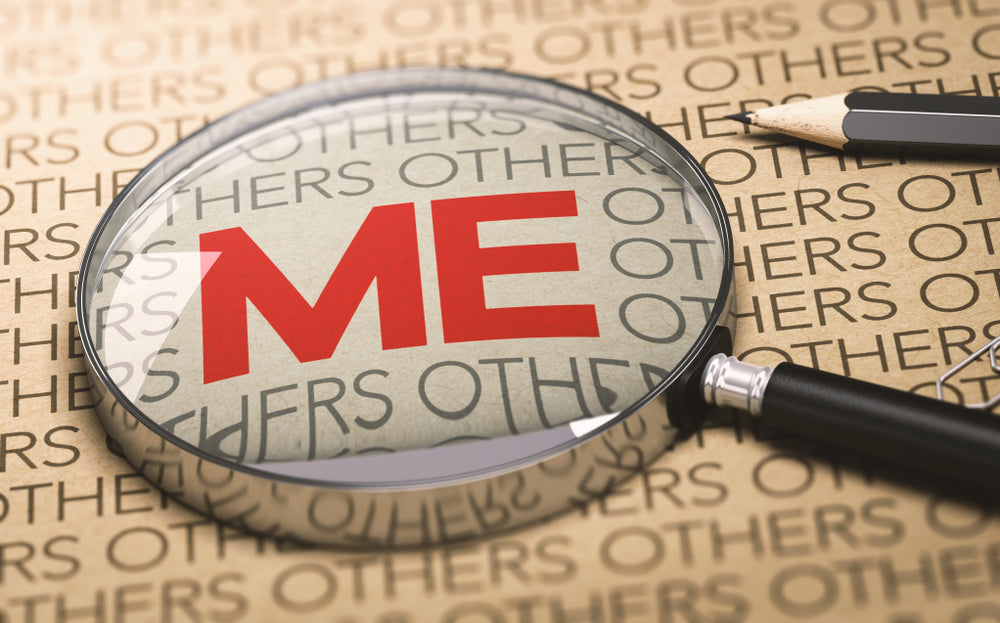
 For some people, overly indoctrinated with the virtues of selflessness and sacrifice, selfcare can trigger emotions of guilt. We can feel guilty about taking care of ourselves because we may think we’re not worth it, or that it’s wrong to put ourselves first. While it's important to be there for others, it's also vital to make sure that we're considering our own emotional and physical state.


